Anerley Road household rubbish guide for residents
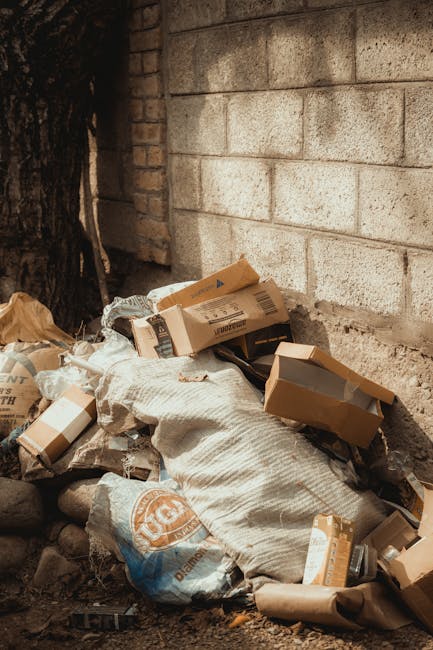
If you live on Anerley Road, household rubbish can pile up faster than you expect. A broken chair waits by the hallway, a bag of mixed waste sits in the kitchen, and suddenly you are juggling what can be recycled, what needs special handling, and what should go out first. This Anerley Road household rubbish guide for residents is here to make that mess feel manageable.
Rather than guessing your way through bins, bulky items, and awkward waste, you will get a clear, practical overview of what usually belongs where, what to avoid, and how to handle the jobs that are simply too big for a normal bin day. Let's face it, rubbish is never the exciting part of home life. But getting it right saves time, keeps your home tidier, and helps you avoid messy surprises.
Why Anerley Road household rubbish guide for residents Matters
Household rubbish is more than just an eyesore. On a busy street, especially one with flats, shared entrances, narrow parking, or limited storage, waste can become a daily friction point. Bags left too long can attract pests, create smells, and make a hallway feel cramped and unpleasant. A broken appliance can block a kitchen corner for weeks if nobody has a plan. You know the kind of thing: it starts as "I'll deal with it later" and ends as a small domestic obstacle course.
This guide matters because households on Anerley Road often need to balance ordinary bin collections with the reality of modern living. Some homes have families generating more packaging and food waste. Others have flat-share turnover, furniture changes, or clear-outs after a move. Some residents are managing garden waste, loft clutter, or a long-overdue garage tidy-up. The right approach depends on the item, the quantity, and how quickly you need it gone.
There is also a wider benefit. Sorting rubbish properly usually makes recycling easier, reduces contamination, and keeps reusable items out of disposal streams. That is good for your home and, frankly, good for everyone downstream too.
How Anerley Road household rubbish guide for residents Works
The basic idea is simple: separate everyday household waste from items that need special handling. In practical terms, that usually means splitting waste into categories such as general rubbish, recyclables, food waste, bulky items, electricals, garden cuttings, and anything potentially hazardous.
For most residents, the process begins at home. Take a quick look at what you have, then decide which items can be bagged, which should be flattened or boxed, and which need separate disposal. If you are handling a bigger job, such as a loft clear-out or post-tenancy clean, it is worth sorting the waste before it leaves the property. That alone can save a lot of faff later.
For items that are too large or awkward for normal bins, a dedicated collection service can be a practical option. If you are clearing a room, moving house, or dealing with a pile of unwanted furniture, services like house clearance and home clearance are often more suitable than trying to squeeze everything into black bags and hoping for the best.
In mixed waste situations, the main goal is to keep reusable or recyclable items separate where possible. A bit of sorting now usually means less stress later. A very small effort, big payoff.
Key Benefits and Practical Advantages
Good household rubbish management is not just about being tidy. It makes daily life easier in some fairly obvious but important ways.
- Cleaner living space: waste is dealt with before it spreads into hallways, cupboards, and corners you keep meaning to sort out.
- Less smell and clutter: food waste, damp packaging, and old soft furnishings can quickly make a home feel heavier and less comfortable.
- Safer movement around the property: fewer trip hazards, fewer unstable piles, and less chance of dragging heavy bags through tight spaces.
- Better recycling outcomes: sorting as you go usually keeps recyclable material cleaner and more usable.
- Easier end-of-tenancy or pre-sale preparation: a clean, clear property simply feels calmer and more presentable.
- Less chance of disposal mistakes: certain items should never be mixed with general rubbish, and that is where trouble starts.
There is a practical benefit that people often overlook: good waste habits reduce decision fatigue. When every item has a place, the room stops feeling like a puzzle you need to solve every evening after work. That matters more than it sounds like it should.
Who This Is For and When It Makes Sense
This guide is for residents who want a straightforward way to handle household waste without turning the process into a weekend project. It is useful if you live alone, share a flat, run a family home, or are helping a relative sort through accumulated items.
It makes particular sense if you are:
- clearing out a spare room or loft
- dealing with broken furniture or old appliances
- moving in or moving out
- updating a kitchen, bathroom, or storage area
- tidying a garden shed, garage, or balcony
- sorting mixed rubbish after a renovation or repair job
- trying to stay on top of everyday waste in a small flat
Residents in flats often face a different challenge from those in houses. Space is tighter, storage is limited, and large items can be awkward to move down stairs or through shared areas. If that sounds familiar, a service such as flat clearance may be a sensible option when the usual bin routine just will not cope.
Households with a lot of furniture turnover may also benefit from looking at furniture disposal or furniture clearance, especially when the item is too bulky to move easily. Truth be told, that old wardrobe looks less charming once it is halfway down the stairs.
Step-by-Step Guidance
If you want a clean, no-nonsense way to handle household rubbish, follow these steps.
- Walk through the property with a bag or box. Start in one room and be realistic. What is actually waste, what is reusable, and what is only temporarily out of place?
- Separate by category. Keep general rubbish, recycling, food waste, electrical items, textiles, and bulky items apart as much as you can.
- Check for anything that needs special handling. This includes fridges, freezers, paint, chemicals, batteries, fluorescent tubes, sharp objects, and damaged electricals.
- Break down what you safely can. Cardboard, flat-pack furniture, and some household items are easier to handle once reduced in size.
- Bag or box waste securely. Use strong bags and avoid overfilling. A bag that splits on the way out is the kind of small disaster nobody needs.
- Move bulky items carefully. Plan the route first, protect floors if needed, and do not rush awkward lifts.
- Book help for the awkward stuff. If the pile includes furniture, white goods, or a large mixed load, a professional collection is often simpler than multiple tip runs.
- Do a final sweep. Check cupboards, under beds, behind doors, and in the loft or shed. Waste hides in odd places.
For many households, the real turning point is step seven. Once the job includes an oven, a mattress, a broken fridge, or three bags of mixed junk from the back room, it stops being a quick tidy-up and becomes a removal project.
What to do with especially awkward items
Some waste items need more than ordinary bin logic. A mattress is bulky, soft, and cumbersome. A sofa can be heavy, dusty, and difficult to fit through a doorway. Appliances bring weight, wiring, and safety concerns. For those jobs, it often helps to look at dedicated services such as mattress and sofa disposal or fridge and appliance removal.
If you are unsure about a mixed load, start by identifying the items that are hardest to move. Those are usually the ones that determine the disposal method.
Expert Tips for Better Results
After enough clear-outs, a few habits stand out. They sound simple because they are simple, but they really do work.
- Keep a "maybe" box. If an item is not quite rubbish yet, put it aside and revisit it later. Half the time, you will know the answer the next day.
- Sort by how it leaves the house, not just by material. A long hallway, narrow stairs, or a shared entrance can affect the order you remove things.
- Do heavy items first. Once the bulky pieces are out, the lighter bags feel manageable.
- Take photos before booking help. This is especially useful for mixed loads, because it gives a clear picture of what needs removing.
- Protect shared spaces. If you live in a block, be considerate with lifts, stairs, and doorways. Nobody wants a scraped wall and a grumpy neighbour.
- Think about recycling before you start bagging. Clean cardboard, textiles, and some metal items may be better kept separate.
One practical observation: people often underestimate how long rubbish sorting takes, but overestimate the effort needed once everything is actually separated. The first ten minutes can feel annoying. Then it gets easier. Usually.
If your clear-out includes sentimental clutter, try working room by room. It is easier on the head. A whole-house sort can feel emotionally noisy, especially when old papers, toys, and half-finished projects all turn up together.
Common Mistakes to Avoid
Most rubbish problems are avoidable, which is both good news and mildly irritating news. Here are the mistakes that tend to cause the most hassle.
- Mixing hazardous items with ordinary waste: chemicals, solvents, certain batteries, and damaged appliances need proper treatment.
- Leaving bulky items outside too long: this can create nuisance issues and make your property look untidy.
- Overfilling bags: they split at the worst possible moment, usually near the front door.
- Ignoring weight and lifting risk: a heavy item moved badly can hurt you or damage the property.
- Assuming everything can go in one load: some things need to be separated for safety or handling reasons.
- Waiting until the pile becomes unmanageable: by then, even small jobs feel bigger than they are.
One of the biggest mistakes is treating every item as if it has the same disposal route. It does not. A bag of household packaging, a cracked mirror, and an old freezer are very different jobs in practice.
Tools, Resources and Recommendations
You do not need a van full of equipment to deal with household rubbish properly, but a few basics help a lot.
- Strong waste sacks: useful for general rubbish and light bulky contents.
- Gloves: especially helpful when handling dusty loft contents, broken items, or old garden waste.
- Marker pen and labels: makes sorting easier if several people are involved.
- Utility knife or scissors: handy for breaking down cardboard, packaging, and soft tie-wraps.
- Protective sheets or old blankets: useful when moving heavy items through a home.
- Boxes or crates: better than loose piles if you are organising a clear-out in stages.
For residents who want more structured help, it can be useful to review what can go in a skip. Even if you are not hiring a skip, the guidance helps you think about what counts as inert rubbish, what is mixed waste, and what should be kept out.
If sustainability matters to you, take a look at recycling and sustainability for a broader view of how waste can be handled with less environmental impact. Not every item needs the same route, and the greener option is often the tidiest one too.
Law, Compliance, Standards, or Best Practice
Household rubbish handling in the UK is shaped by a mix of common-sense safety and local disposal practice. Without getting bogged down in legal detail, the key point is simple: waste should be stored, sorted, and passed on responsibly. That includes not leaving dangerous items mixed with ordinary rubbish and making sure any third-party collector is operating legitimately.
For residents, the safest best practice is to separate hazardous items, avoid fly-tipping at all costs, and keep records if you are arranging removal of a large quantity of waste through a contractor. If a service is being used for a bigger household clearance, it is wise to understand the company's approach to safety, transport, and disposal. Pages such as health and safety policy and insurance and safety are useful signs that a provider takes these responsibilities seriously.
If any waste may be hazardous, do not guess. Put it aside and seek proper handling. That is especially true for chemicals, sharp waste, or items that could leak, burn, or contaminate other material. Better to pause for ten minutes than create a bigger issue later.
Data-sensitive materials are another quiet corner of household waste compliance. Old paperwork, bank statements, and personal records should be destroyed carefully. If you are dealing with a home office or years of old files, confidential shredding can be a sensible addition to a clear-out plan.
Options, Methods, or Comparison Table
There is no single right way to dispose of household rubbish. The best option depends on volume, item type, time pressure, and access. Here is a simple comparison to help you decide.
| Method | Best for | Strengths | Limitations |
|---|---|---|---|
| Normal bin collection | Everyday household waste | Simple, familiar, low effort | Limited capacity; not suitable for bulky or specialist items |
| Self-sorting and recycling | Mixed but manageable household waste | Good for reducing contamination and improving recycling | Takes time and some planning |
| Skip use | Medium to large clear-outs | Useful when waste can be grouped in one place | Space needed; certain items may be excluded |
| Professional waste removal | Bulky, mixed, or awkward household waste | Fast, convenient, less lifting and transport stress | Depends on provider, access, and load type |
For people comparing removal routes, it may also help to review waste removal alongside specific services like garage clearance or loft clearance. The right choice often becomes obvious once you look at the actual pile, not just the idea of the pile.
Case Study or Real-World Example
Here is a realistic example. A resident on Anerley Road has been meaning to clear the spare room for months. It starts with a broken bedside table, a small pile of packaging, an old mattress leaning against the wall, and three boxes of miscellaneous items that have been moved from one corner to another for weeks. By the time the weekend arrives, the room feels smaller than it really is.
The smart move is not to drag everything into the hallway and hope for the best. Instead, the resident sorts the items into four groups: keep, donate, recycle, and remove. The broken furniture and mattress are identified as bulky disposal items, while cardboard and packaging are flattened separately. Old paperwork gets shredded, and a damaged appliance from the kitchen is set aside for specialist handling.
The result is not just a tidier room. It is a calmer one. The floor is visible again, the air feels lighter, and the job that had been nagging in the background for months is suddenly done. Small win, but a real one.
If that sounds familiar, you are not alone. Most household rubbish problems are not dramatic. They are just inconvenient, slow-building, and surprisingly good at wasting mental energy.
Practical Checklist
Use this checklist before you deal with household rubbish on Anerley Road:
- Have I separated general waste from recyclable items?
- Do any items need special handling, such as appliances or hazardous materials?
- Have I broken down cardboard, packaging, or flat-pack materials where safe to do so?
- Are all bags strong enough to carry without splitting?
- Do I know which items are too large or heavy for normal disposal?
- Have I checked lofts, cupboards, under beds, and storage spaces for missed rubbish?
- Is there a safe route out of the property for bulky items?
- Would a dedicated clearance service save time, lifting, or multiple trips?
- Have I kept any confidential papers out of the general rubbish?
- Do I know what will happen to the waste after it leaves the property?
If you are working through a bigger domestic project, a slightly slower start is fine. Do the sorting properly first, and the rest is usually easier. No need to rush and then regret it later.
Expert summary: The cleanest approach is to sort waste at source, separate anything risky, and choose the disposal method that matches the actual job rather than the hope that one bin bag will somehow solve everything.
Get a free quote today and see how much you can save.
Conclusion
Anerley Road household rubbish does not have to become a constant headache. Once you understand the basics, most waste falls into a predictable pattern: sort what can be recycled, set aside what needs special care, and deal with bulky or awkward items in a way that fits the property and the pace of your life. It is usually less complicated than it first appears, although, to be fair, the first look at a cluttered room can feel a bit defeating.
The main thing is to stay practical. Keep the process simple, treat safety seriously, and do not leave awkward waste sitting around longer than necessary. If you are in the middle of a clear-out, that little bit of structure makes all the difference. And if the job is bigger than a normal bin day can handle, there are sensible options available that can save time and hassle.
Take it one room at a time, one bag at a time. That is often enough.
Frequently Asked Questions
What counts as household rubbish on Anerley Road?
Household rubbish usually includes everyday waste from cooking, cleaning, packing, and general living, along with items that are no longer useful in the home. That can range from food packaging to broken household items, but large or specialist waste may need a different disposal method.
Can I put broken furniture out with normal rubbish?
Usually not if it is bulky or difficult to move. Broken furniture often needs a separate collection or a larger clearance option, especially if it will not fit safely into standard bins or waste sacks.
What should I do with an old mattress?
An old mattress is awkward and bulky, so it is usually better handled through a dedicated mattress disposal route rather than general household waste. It is easier, safer, and far less frustrating.
How do I dispose of an old fridge or freezer?
Fridges and freezers need special handling because they are heavy and contain components that should not be treated like ordinary rubbish. A specialist appliance removal service is the sensible route.
What if my rubbish includes batteries or chemicals?
Keep those items separate from general waste. Batteries, liquids, paint, and similar materials may need hazardous waste handling. If you are unsure, do not mix them in with normal rubbish.
Is a skip better than a rubbish collection?
It depends on the job. A skip can be useful for larger, slower clear-outs where you have space to store waste. A rubbish collection is often better when you want everything removed quickly without managing a skip yourself.
How can I make a flat clear-out easier?
Sort items before you move them, keep walkways clear, and separate bulky waste from general bags early. In flats, access and shared spaces matter a lot, so planning the route out is half the battle.
Can I recycle cardboard and packaging from a house clear-out?
Often yes, provided the material is clean and suitable for recycling. Flattening boxes and keeping recyclables apart from general rubbish makes the whole process easier and tidier.
What is the best way to handle a loft or garage full of mixed junk?
Start with a rough sort into keep, recycle, remove, and check later. Mixed spaces usually hide bulky objects, old paperwork, and forgotten items, so a room-by-room or zone-by-zone approach works best.
How do I avoid making a waste clear-out more stressful than it needs to be?
Keep the pace steady, do not try to solve everything in one sweep, and deal with the biggest items first. If the load is too much for a normal collection, a professional service can take a lot of pressure off.
Do I need to worry about confidential papers in household rubbish?
Yes, especially if you are clearing old bills, statements, or personal records. Those items should be shredded securely rather than put straight into general waste.
When should I choose professional waste removal instead of doing it myself?
Choose professional help when the load is bulky, heavy, awkward, or time-sensitive. It is also a good option if you want less lifting, fewer trips, and a cleaner finish without spending the whole weekend hauling bags around.