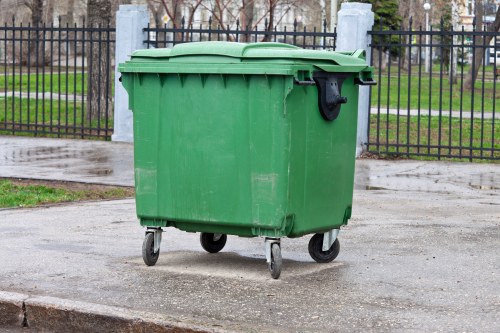
Commercial Waste Crystal Palace: Sustainable Rubbish Area & Eco-Friendly Waste Disposal Area
Commercial Waste Crystal Palace services are focused on creating a clean, efficient and low-impact approach to business waste. Our commitment to an eco-friendly waste disposal area for shops, restaurants and offices in the area is reflected in operational changes, community partnerships and measurable targets. This page outlines how a Crystal Palace commercial waste strategy can reduce landfill, increase reuse, and support a circular local economy.Our Recycling Ambition and Percentage Target
The local programme sets a clear recycling percentage target: a borough-level aspiration of 65% recycling and reuse for commercial streams within five years. That target reflects an ambition above current averages for many commercial operators and aligns with progressive environmental policies. To support this, we monitor performance by waste stream — paper, glass, food, textiles and WEEE — and report progress to stakeholders while continually improving the sustainable rubbish area design and logistics.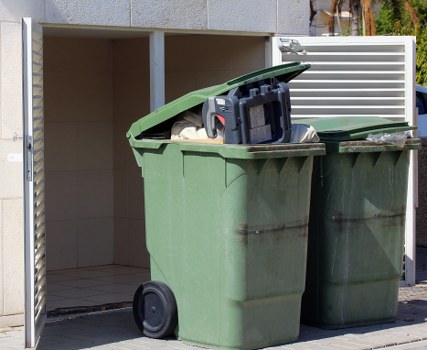 A cornerstone of achieving the recycling percentage target is practical infrastructure and access to local transfer stations. These facilities enable efficient consolidation of materials, minimise double handling and reduce emissions by shortening haul distances to processing plants. Commercial waste operators in Crystal Palace make use of nearby transfer stations across the surrounding boroughs, which supports faster sorting and higher diversion rates from landfill.
Partnerships with local charities form a vital link in the reuse chain. We work with furniture reuse schemes, food redistribution charities and organisations that accept working electricals and textiles for repair or resale. By diverting suitable items from the waste stream, these partnerships deliver social value and cut carbon while keeping usable goods in circulation. Strong links to charity partners help create repeat reuse routes and reduce disposal costs.
Fleet choices are another major lever for a low-carbon outcome. Our fleet strategy prioritises low-carbon vans including electric and hybrid models, coupled with route optimisation and telematics. The move to quieter, cleaner vehicles reduces local pollution and improves air quality in the high streets and residential streets around Crystal Palace. Integrating low-emission vehicles into commercial collections helps businesses demonstrate environmental leadership.
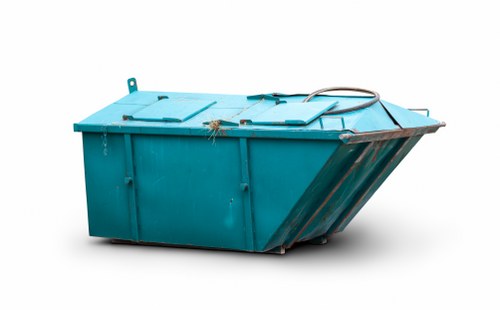 Crystal Palace sits at the junction of several London boroughs — Croydon, Bromley and Lewisham — each of which takes a slightly different approach to waste separation and commercial collection. These boroughs encourage dedicated collections for food waste and mixed recycling and have developed guidance on separation at source. The variation across boroughs is managed by tailoring commercial waste services to local collection rules, ensuring compatibility with municipal facilities and maximising recycling in each area.
Practical Measures for an Eco-Friendly Waste Disposal Area
Creating an effective, eco-friendly waste disposal area on-site depends on a few straightforward practices. These include robust segregation stations, clear signage for staff and customers, and regular training for premises teams. A well-designed sustainable rubbish area reduces contamination, which increases recyclable yields and reduces processing costs at transfer stations.Key operational measures include:
- On-site segregation of paper, cardboard, glass, metal, food and residual waste
- Dedicated textile and WEEE collection to divert bulky and hazardous items from general waste
- Scheduled collections to avoid overflowing bins and to improve compliance
- Use of sealed, labelled containers to minimise litter and vermin
- Regular audits and contamination checks to improve recycling performance
These steps help commercial properties in Crystal Palace create a recognised sustainable rubbish area that supports the boroughs’ ambitions and enhances street environment for customers and neighbours alike.
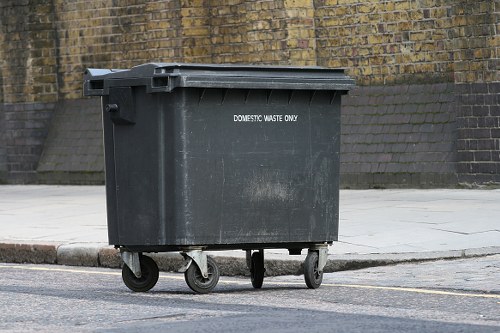 Circular economy thinking is embedded in how we prioritise reuse and repair. Commercial Waste Crystal Palace encourages separation of reusable goods at source so that charity partners and social enterprises can collect items directly. Businesses are urged to consider refurbishment, component reuse and donation before disposal — actions that extend product life and reduce embodied carbon associated with new purchases.
Monitoring and transparency are central to reaching the recycling percentage target. Regular reporting, third-party verification and collaborative reviews with local authorities ensure accountability. Displaying progress in the workplace and sharing audit results with partners creates incentives for continuous improvement and helps maintain momentum towards becoming a fully sustainable rubbish area across the Commercial Waste Crystal Palace network.
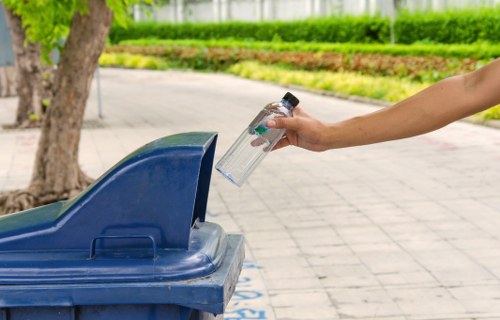 In summary, building an eco-friendly waste disposal area in Crystal Palace requires coordinated effort: strategic use of local transfer stations, active partnerships with charities, adoption of low-carbon vans, and commitment to clear separation protocols that reflect borough approaches. By combining infrastructure improvements, vehicle decarbonisation and community alliances, businesses can meet ambitious recycling percentage targets and contribute to a cleaner, greener neighbourhood while reducing costs and emissions.
