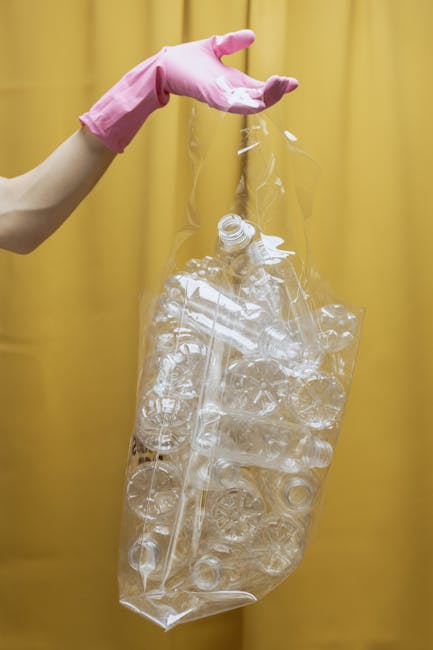
Crystal Palace Park rubbish disposal and recycling guide

If you are clearing up after a day in the park, managing event waste, or trying to work out what happens to bulky items near Crystal Palace Park, you are in the right place. This Crystal Palace Park rubbish disposal and recycling guide breaks the whole thing down in plain English: what to separate, what can be recycled, what needs specialist handling, and how to avoid the usual mistakes that turn a simple clear-up into a headache.
It is easy to underestimate how quickly rubbish builds up. A couple of bags from a picnic, some packaging from a refreshment stall, a broken chair from an event, and suddenly you have mixed waste that needs sorting properly. The good news? With a bit of planning, disposal can be straightforward, tidy, and far less stressful than people expect. Let's get into it.
Table of Contents
- Why Crystal Palace Park rubbish disposal and recycling guide matters
- How Crystal Palace Park rubbish disposal and recycling guide works
- Key benefits and practical advantages
- Who this is for and when it makes sense
- Step-by-step guidance
- Expert tips for better results
- Common mistakes to avoid
- Tools, resources and recommendations
- Law, compliance, standards, or best practice
- Options, methods, or comparison table
- Case study or real-world example
- Practical checklist
- Conclusion
- Frequently Asked Questions
Why Crystal Palace Park rubbish disposal and recycling guide Matters
Crystal Palace Park is not just a patch of green space. It is a busy local destination where everyday leisure, community activity, family visits, informal gatherings, and occasional events all create a mix of waste types. That matters because waste left in the wrong place, or put in the wrong stream, can quickly become a nuisance for everyone else. A stray bag, a half-filled bin, a broken piece of furniture left by a service entrance - small things, but they add up.
Good disposal and recycling habits help keep the park clean, reduce contamination in recycling, and make collection easier. They also support a calmer user experience. You know the feeling: when a space looks cared for, people generally treat it better. When it looks neglected, they act differently. Human behaviour is funny like that.
For businesses operating nearby, the stakes are higher. Mixed waste, food packaging, cardboard, confidential papers, fixtures, and old equipment all need a clear route out. That is where a structured waste approach becomes more than a nice idea; it becomes part of day-to-day operations. If your waste is part of a wider commercial clear-out, services such as business waste removal or office clearance can be useful for keeping things orderly and compliant.
There is also the sustainability angle. Recycling is not just about ticking a box. It is about keeping reusable materials in circulation and reducing the amount that ends up as general refuse. That is why it helps to think beyond the bin. A plastic bottle, a cardboard tray, and a metal drink can are not the same thing at the sorting stage, even if they were all on the same picnic blanket ten minutes earlier.
How Crystal Palace Park rubbish disposal and recycling guide Works
The basic idea is simple: separate waste by type, keep recyclable material clean, isolate anything hazardous or bulky, and choose the right collection or disposal route. In practice, the process works best when you plan before the waste pile starts growing. A bit boring? Maybe. Effective? Absolutely.
For most people, the process falls into four practical steps:
- Sort the waste at source. Keep dry recyclables, food waste, general rubbish, and bulky items apart where possible.
- Check what needs special handling. Batteries, paint, sharp items, electricals, and chemicals should not be treated like ordinary rubbish.
- Choose the right removal method. Bagged rubbish may be fine for a straightforward collection, while heavy mixed waste may need a dedicated waste removal service such as waste removal.
- Make collection easy. Good access, clear labelling, and tidy staging areas save time and reduce the risk of missed items.
If you are disposing of household items after a move or deep clean, related services like home clearance, house clearance, and flat clearance can help when rubbish disposal is part of a bigger clear-out rather than a single bagging job.
One thing people often miss: not all recyclable material should be placed in recycling if it is dirty or contaminated. A greasy takeaway container, for example, can spoil a batch if it is tossed in with clean cardboard. Truth be told, a lot of recycling problems come down to that one issue.
Key Benefits and Practical Advantages
Using a sensible disposal and recycling approach around Crystal Palace Park brings more benefits than you might first think. The obvious one is cleanliness. The less obvious ones are time savings, fewer missed collections, and less uncertainty about what to do with awkward items.
- Cleaner public spaces: better sorting means less litter escaping into walkways, paths, and green areas.
- Better recycling quality: dry, separated materials are more likely to be recovered properly.
- Less last-minute stress: you are not panicking with a pile of stuff on the morning of collection.
- Safer handling: separating sharps, glass, or heavy items reduces injury risk.
- Faster clearances: well-organised waste is easier to remove, especially if you are dealing with furniture or renovation debris.
There is also a reputational benefit for businesses and community groups. If you are hosting or supporting an activity near the park, a tidy waste setup signals care. People notice, even if they do not say it out loud.
For larger or mixed loads, services such as builders waste clearance and garage clearance can be a practical fit when the rubbish is not just light domestic waste. If the job includes bulky household furniture, furniture disposal may be the cleanest route.
Who This Is For and When It Makes Sense
This guide is for more people than you might expect. It is useful if you are a resident near the park, a local landlord, a business owner, a facilities manager, a trader setting up an event, or anyone dealing with bulk waste after a clear-out. If you have ever stood in front of a pile of mixed rubbish and thought, "Right, what exactly goes where?" then this is for you.
It especially makes sense when:
- you are clearing out after a picnic, community event, or family gathering
- you have a load of mixed household rubbish from a move or declutter
- you need to remove bulky items that do not fit normal bins
- you are handling office, retail, or commercial waste near the park
- you want to recycle more and landfill less, without making life harder
- you are not sure whether something counts as general waste or special waste
For example, a local cafe with cardboard boxes, food packaging, and a broken fridge has three very different disposal needs. That is not a problem, but it does need a proper plan. A service like fridge and appliance removal is far more suitable for an old cooler than trying to squeeze it into a general collection. Same for confidential paperwork; that is where confidential shredding becomes relevant.
Step-by-Step Guidance
If you want a simple working method, use this one. It is practical, and it keeps things from drifting into chaos halfway through the job.
1. Walk the site or room first
Look at what you actually have, not what you think you have. Mixed waste often looks lighter when it is spread around. Once stacked, it tells a different story. Check for bags, boxes, loose recyclables, broken furniture, appliances, and anything hazardous.
2. Split waste into clear groups
Start with four broad piles:
- recyclables
- general rubbish
- bulky items
- special or hazardous items
That simple division makes decisions much easier. You do not need a perfect system. You need a workable one.
3. Keep recyclables clean and dry
Cardboard, paper, plastics, glass, and metal should be as clean as reasonably possible. Wet cardboard, food-soiled packaging, and contaminated paper are more likely to be rejected from recycling streams. A dry cardboard box can be useful; a greasy one, not so much.
4. Separate anything that could cause problems
Paint tins, aerosol cans, batteries, electrical items, fluorescent tubes, and broken glass should be handled carefully. Do not leave them mixed in with regular rubbish. If you are unsure, treat the item as special waste until checked.
5. Decide whether you need a one-off clearance or a broader service
If the waste is mainly one type, a simple collection might be enough. But if the job includes mixed bulky waste, household items, or debris from works, it may be smarter to use a wider clearance option such as furniture clearance, loft clearance, or garden clearance.
6. Stage everything for easy pickup
Put items in one place where access is clear. Avoid narrow pathways, wet patches, and public pinch points. If you are loading bags near a park entrance, a little organisation saves a lot of back-and-forth. Nobody enjoys carrying a heavy sack twice.
7. Confirm the route for anything unusual
Before collection day, make sure the unusual items have a proper plan. Appliances, mattresses, sofas, and mixed household furniture often need specific handling. In some cases, dedicated services like mattress and sofa disposal are the simplest option.
Expert Tips for Better Results
In our experience, the difference between a smooth clearance and a messy one is usually made in the first 15 minutes. Not glamorous, but true. A few small habits make a big difference.
- Label containers early. If multiple people are involved, labels prevent guesswork and duplicated effort.
- Do not overfill bags. Overstuffed bags tear, tip, and slow everything down.
- Keep glass separate. It is safer and easier to manage on collection day.
- Protect recyclables from rain. A cardboard box left outside in a downpour is basically headed for general waste.
- Use the right disposal route for the right item. One awkward item can throw off a whole pile.
Another useful habit is to think in terms of "waste value". That sounds a bit corporate, I know, but it simply means asking: can this be reused, donated, repaired, or recycled before it becomes waste? A solid chair frame, for example, may be more useful than it first appears. The same goes for certain office items or storage furniture.
If you are comparing disposal choices, it is sensible to check how a provider approaches recycling and recovery. A page like recycling and sustainability can help you understand whether a company is taking the sorting side seriously, not just moving waste from A to B.
Common Mistakes to Avoid
Most waste problems are not dramatic. They are just annoying. A wrong assumption here, a rushed bag there, and suddenly you are back to sorting things twice. These are the mistakes people make most often.
- Mixing recyclables with food waste. Contamination is one of the biggest reasons recycling gets downgraded.
- Leaving bulky items until the last minute. Sofas, wardrobes, and appliances need planning, not hope.
- Assuming everything metal is recyclable in the same way. Some items are fine, some are not, and some need stripping first.
- Forgetting about hidden waste. Drawers, cupboards, loft corners, and under-shelf spaces often hide the odd battery, cable, or sharp object.
- Using the wrong service for the job. A general collection is not always the answer, especially for mixed or awkward loads.
There is also a safety mistake people overlook: piling heavy items loosely on top of fragile ones. It seems efficient until a bag splits or a glass item breaks. Then you are dealing with a mess and a hazard. Not ideal.
If you are clearing a property from top to bottom, a more structured service like house clearance or home clearance can reduce those "I forgot about that cupboard" moments.
Tools, Resources and Recommendations
You do not need complicated kit to manage rubbish disposal well. A few basic tools make the process much easier and safer.
- Heavy-duty bags: for general waste and light recyclables.
- Separate crates or boxes: useful for glass, paper, and small loose items.
- Gloves: essential when handling mixed waste or sharp edges.
- Trolley or sack truck: ideal for bulky but manageable loads.
- Labels and marker pens: simple, cheap, and genuinely useful.
- Covered staging area: helps keep recyclables dry and orderly.
For larger clearances, you may also want to compare different service types rather than jumping straight to one option. For example, a garden load and a garage load can be very different in shape, weight, and contamination risk. Services such as garage clearance, garden clearance, and builders waste clearance fit different kinds of debris for a reason.
If you are dealing with old household items, furniture disposal can be a cleaner choice than trying to dismantle and separate everything yourself. That said, if you can reuse or donate something, do that first where practical. It feels better, and it is better.
Law, Compliance, Standards, or Best Practice
Waste handling in the UK should always be approached with care. You do not need to be an expert in regulations to do the right thing, but you do need to avoid casual disposal. In practical terms, that means using responsible carriers, keeping waste streams separate where possible, and not leaving problematic items in public areas.
For commercial waste, records and duty-of-care style thinking matter. Even when you are not dealing with formal paperwork in this article, the principle is simple: know what the waste is, where it is going, and whether it needs special treatment. That is especially relevant for electrical items, sharps, confidential documents, and hazardous materials. If something could leak, cut, contaminate, or otherwise cause trouble, it deserves extra attention.
Good practice also means looking at safety, access, and insurance before a removal. If a team is collecting heavy items or working around awkward access points, it helps to understand how the provider approaches working conditions. A page such as insurance and safety or health and safety policy can give reassurance that safety is taken seriously. That matters more than people sometimes admit.
For hazardous or unusual waste, never guess. Keep it separate and use a specific route for disposal. Hazardous waste disposal is not the place to improvise. Better to pause and check than to create a bigger problem later.
Options, Methods, or Comparison Table
Choosing the right method depends on how much waste you have, what type it is, and how quickly you need it gone. Here is a simple comparison to help.
| Method | Best for | Strengths | Limitations |
|---|---|---|---|
| Bagged waste sorting | Light domestic rubbish and recyclables | Cheap, simple, easy to stage | Not suitable for bulky or mixed heavy items |
| Dedicated clearance service | Furniture, household, or mixed loads | Handles awkward items and larger volumes | Needs better planning and access |
| Specialist item removal | Appliances, mattresses, hazardous items | Safer and more compliant for specific waste types | Usually not a one-size-fits-all solution |
| Site-based sorting and collection | Events, businesses, and ongoing waste streams | Good control over recyclables and contamination | Requires more coordination |
If you are in doubt, ask yourself one blunt question: is this a tidy pile of straightforward waste, or a mixed load that is going to be awkward on the day? That answer usually tells you everything you need to know.
For quick booking and structured collection planning, book online can be a convenient next step when you have already sorted what needs to go.
Case Study or Real-World Example
Here is a realistic example. A small community group near Crystal Palace Park finishes a weekend activity and ends up with cardboard, drinks bottles, food packaging, a damaged fold-up table, and two bags of general rubbish. Nothing extreme, just the usual post-event tangle.
Instead of dumping everything together, they split the waste into piles straight away. Clean cardboard goes one way, bottles and cans another, and the table is separated because it will not fit normal bins. The food-contaminated packaging is kept with general waste. One organiser checks the damaged table legs for sharp edges and wraps them before moving them out.
The result? Less mess, fewer collection issues, and no "where does this go?" scramble at the end. It was not complicated. It was just organised. A bit of tape, a few labels, and an extra ten minutes saved a lot of effort later. Nice when that happens.
If the table had been part of a larger furniture batch, a service like furniture clearance would have made sense. If the group had also been clearing a storeroom, office clearance could have helped manage the extras.
Practical Checklist
Use this before you arrange disposal or recycling:
- Sort waste into recyclables, general rubbish, bulky items, and special items.
- Check for batteries, batteries again if needed, and any sharp or hazardous material.
- Keep cardboard, paper, and packaging clean and dry.
- Bundle or bag loose items so they are easy to move.
- Separate appliances, furniture, and mattresses from ordinary rubbish.
- Make access clear for collection or loading.
- Use a suitable disposal route for hazardous or confidential waste.
- Confirm whether any item needs specialist removal.
- Keep your staging area tidy so nothing gets missed.
- Review whether recycling, reuse, or disposal is the best option for each item.
If you are handling a bigger property clear-out, it may help to look at loft clearance or garage clearance as part of the wider plan. Those spaces tend to hide more clutter than people expect. Every time.
Conclusion
The best Crystal Palace Park rubbish disposal and recycling guide is not about perfection. It is about making sensible choices, keeping recyclable material clean, and dealing properly with awkward or hazardous items before they become a problem. A calm, sorted approach usually saves time, reduces stress, and makes the whole area feel better looked after.
Whether you are clearing up after a small gathering, dealing with household clutter, or managing waste from a local business, the same principle applies: sort early, separate wisely, and choose the right route for the right item. Do that, and the job becomes much more manageable than it first looks.
Get a free quote today and see how much you can save.
And if you are still standing there looking at a mixed pile and thinking, "Right then, where do I start?" - start with the first bag. The rest usually follows.
Frequently Asked Questions
What is the best way to handle rubbish disposal near Crystal Palace Park?
The best approach is to sort waste into clear groups first: recyclables, general rubbish, bulky items, and anything hazardous. That makes disposal much easier and reduces contamination.
Can I put food packaging in recycling?
Only if it is clean and suitable for recycling. Greasy or food-soiled packaging is often rejected, so keep that with general waste unless it can be cleaned properly.
What should I do with old furniture?
Old furniture is usually best handled separately from ordinary rubbish. If it is still usable, consider reuse or donation where appropriate. If not, a dedicated furniture removal option is usually the simplest route.
How do I dispose of appliances safely?
Appliances should be handled as a separate item stream. Fridges, freezers, and similar equipment often need specialist collection, especially if they contain gases or electrical components.
Is it worth sorting waste before collection?
Yes, absolutely. Sorting waste in advance saves time, reduces missed recyclables, and makes collection smoother. It also lowers the chance of contamination.
What counts as hazardous waste?
Items such as paint, chemicals, batteries, aerosols, certain electricals, and anything that could leak, burn, or contaminate should be treated with extra care. If in doubt, keep it separate.
Can businesses near Crystal Palace Park use the same rubbish approach as households?
Not always. Businesses often generate different waste types, including packaging, office items, and occasional confidential material. A structured commercial waste plan is usually more suitable.
What if I have a mixed load of rubbish?
Mixed loads are very common. The key is to separate what you can before collection and identify the awkward items early. If the load is bulky or varied, a clearance service is often easier than a standard pickup.
How can I reduce waste in the first place?
Start by reusing items, repairing what you can, and buying only what you need. For events, use better container choices and plan for collection before the rubbish starts building up.
Do mattresses and sofas need special disposal?
Yes, they are bulky and awkward to handle properly, so they are usually best treated as a separate item stream. That avoids damage, reduces handling risks, and keeps the rest of the waste cleaner.
What is the simplest option for a large clear-out?
The simplest option is often a clearance service that can handle the full mix of waste in one go. That is especially helpful if you are dealing with furniture, household clutter, or a garage or loft full of unknowns.
How do I know if a provider is taking safety seriously?
Look for clear information about safety practices, insurance, and how they handle different waste types. That gives you a better sense of whether the work will be handled responsibly.