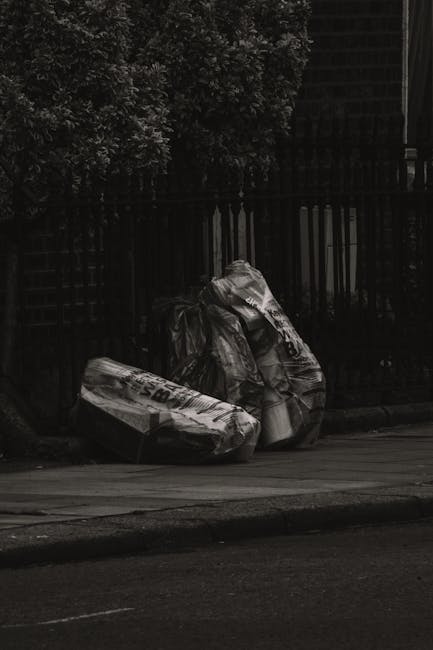
Westow Street bulky rubbish clearance local tips
If you live, work, or manage a property near Westow Street, bulky rubbish can become one of those jobs that sits in the corner of your mind and quietly gets bigger. An old sofa by the wall, a broken fridge in the hall, a mattress waiting in the spare room, or garden waste stacked after a tidy-up - it all adds up fast. This guide to Westow Street bulky rubbish clearance local tips is designed to help you clear space without stress, avoid common mistakes, and make sensible choices about removal, recycling, and timing.
Let's face it: bulky items are awkward. They are heavy, annoying to move, and never seem to fit into the van or the bin when you need them to. But with the right local approach, a clearance can be straightforward. Below you'll find practical steps, useful comparisons, a real-world example, and a checklist you can use before booking anything.
Table of Contents
- Why Westow Street bulky rubbish clearance local tips Matters
- How Westow Street bulky rubbish clearance local tips Works
- Key Benefits and Practical Advantages
- Who This Is For and When It Makes Sense
- Step-by-Step Guidance
- Expert Tips for Better Results
- Common Mistakes to Avoid
- Tools, Resources and Recommendations
- Law, Compliance, Standards, or Best Practice
- Options, Methods, or Comparison Table
- Case Study or Real-World Example
- Practical Checklist
- Conclusion
- Frequently Asked Questions
Why Westow Street bulky rubbish clearance local tips Matters
Westow Street sits in a busy part of Crystal Palace, so bulky rubbish clearance is rarely just about "getting rid of stuff." It is about access, timing, neighbour consideration, and choosing a method that works in a street where space can be tight and parking can be awkward. A clearance that looks simple on paper can become a headache if you leave it until the last minute.
Local tips matter because bulky items often need a bit of planning. A sofa may need to be taken apart. A wardrobe might not fit through the stairwell without a careful lift. A fridge can't just be left out the front and forgotten about. And if the wrong waste is mixed together, the whole job gets slower and more expensive. Nobody wants that on a wet Tuesday morning when the pavement is already crowded.
There is also the trust side of it. If you are arranging a clearance, you want a team that handles items properly, disposes of them responsibly, and keeps the process tidy. That is especially true for homes, flats, small businesses, and landlords near Westow Street where the job may need to be completed quickly and with minimal disruption.
Expert summary: The best bulky rubbish clearance is usually the one that is planned before collection day, separated sensibly, and matched to the access on your street. That simple bit of preparation saves time, stress, and unnecessary lifting.
How Westow Street bulky rubbish clearance local tips Works
In practical terms, bulky rubbish clearance follows a fairly simple process. First, you identify what needs to go. Then you decide whether it is furniture, appliances, mixed household waste, renovation debris, or something more specialised. After that, you prepare the items for removal and choose the most suitable clearance method.
For many people, the job starts with a quick sort. Keep reusable items, identify anything that might need special handling, and separate out anything that could be recycled. If you have appliances, mattresses, or old furniture, these often need specific handling and careful loading. A good clearance approach saves time by doing that sorting before the van arrives rather than during the collection. Much easier, honestly.
If you are comparing services, it helps to think in terms of the whole job rather than just the pickup. The best service for a Westow Street property usually considers access, loading time, parking practicality, item type, and disposal route. That is why pages like waste removal and furniture disposal are useful starting points when you are working out what kind of clearance you actually need.
Sometimes a bulky waste job is straightforward: a few chairs, a mattress, and a broken chest of drawers. Other times it is a full flat refresh, a garage clear-out, or post-renovation debris. The method changes depending on volume, item type, and urgency.
Key Benefits and Practical Advantages
The obvious benefit is space. A cleared room feels calmer straight away. But the practical advantages go further than that.
- Less clutter and safer movement: bulky items in hallways, stairwells, or shared entrances can create trip hazards.
- Faster property turnover: useful if you are moving out, letting a flat, or preparing a room for re-use.
- Less lifting stress: professional removal can save your back and, to be fair, everyone's mood.
- Better sorting for recycling: reusable or recyclable items can be separated more effectively when the job is planned properly.
- Cleaner finish: a decent clearance should leave the space swept and presentable, not half-done.
There is also the peace-of-mind factor. When you know the items are going to the right place, the job feels simpler. If you are clearing a home after years of accumulation, that reassurance matters more than people expect. The room changes, but so does the feeling in it.
For larger household jobs, it may make sense to look at broader services such as home clearance or house clearance. If the clutter has spread into the loft or garage, those specialist pages can also help you narrow the right approach.
Who This Is For and When It Makes Sense
This kind of clearance is useful for a wide mix of people around Westow Street and the surrounding Crystal Palace area. You might need it if you are a tenant moving out, a landlord turning over a property, a homeowner after a big clear-out, or a small business dealing with worn-out fixtures or packaging waste.
It also makes sense when bulky items are blocking rooms or access routes. A room with an old sofa, a mattress, and a broken cabinet can feel impossible to use properly until the lot is removed. The same goes for a garage full of leftover DIY materials or a flat with a hallway that has become a storage zone. That happens more than people like to admit.
In our experience, local bulky waste jobs often fall into one of these categories:
- End-of-tenancy clear-outs where speed matters.
- Furniture replacement when old items need to go before new ones arrive.
- Garden or shed clearances after seasonal tidying or outdoor projects.
- Appliance removal when fridges, freezers, or washing machines are no longer safe or useful.
- Full property refreshes where several types of waste appear at once.
If you are dealing with a specific category of item, it is often smarter to choose a targeted service. For example, mattress and sofa disposal is more efficient for soft furnishings, while fridge and appliance removal is the better fit for white goods.
Step-by-Step Guidance
Here is a practical way to handle bulky rubbish clearance on or near Westow Street without overcomplicating it.
- List everything that needs to go. Walk through the space room by room. Be honest. That old chair in the corner counts.
- Separate bulky items from mixed waste. Furniture, appliances, bagged rubbish, and building debris should be grouped sensibly.
- Check access. Think about stairs, narrow entrances, shared hallways, lifts, parking, and whether items need dismantling.
- Set aside anything sensitive. Keep documents, valuables, and private items away from the clearance pile.
- Identify special waste. Batteries, chemicals, paints, and certain electrical items may need different handling.
- Take a few photos. This helps with quoting and avoids awkward surprises on the day.
- Book the right service. Match the job to the waste type and volume rather than choosing the first option you see.
- Prepare the space. Clear paths to doors and make sure the collection point is easy to reach.
- Be ready for collection. A five-minute delay can turn into half an hour if items are still scattered about.
- Confirm what happens next. Ask how the waste will be handled, recycled, or disposed of.
If you are unsure how much is involved, it can help to compare a mixed waste approach with a dedicated item-specific service. A broader page like garage clearance is handy when the job is a bit of everything - old boxes, broken tools, awkward bits of furniture, and the odd mystery object you have not seen since 2018.
Expert Tips for Better Results
The difference between a smooth clearance and a messy one often comes down to small choices. Nothing dramatic. Just smart preparation.
- Measure oversized items before collection day. It is surprising how often a sofa can be removed only after one arm is taken off.
- Put smaller loose items into manageable groups. That speeds up loading and reduces the chance of things going missing.
- Keep a clear route to the exit. Even one awkward box in the wrong place can slow the whole job.
- Be specific about item condition. A damaged appliance, broken glass, or damp item may need different handling.
- Think about the time of day. On a busy stretch, an early slot can make the process calmer and easier.
- Use photos for anything unusual. It helps with quoting and prevents guesswork. Nobody enjoys guesswork.
Another useful tip: if the bulky rubbish is tied to a wider clean-up, tackle it in layers. For example, clear furniture first, then bagged waste, then smaller odds and ends. That makes the room feel instantly lighter, which is oddly motivating. You will notice it straight away.
If you are dealing with a room full of older items, the furniture-specific pages can be especially useful, such as furniture clearance and mattress and sofa disposal. The right fit saves time.
Common Mistakes to Avoid
People usually do not get bulky clearance wrong because they are careless. More often, they underestimate how fiddly the job is. Here are the mistakes that crop up most often.
- Leaving sorting until collection day: this slows everything down and can increase the cost.
- Mixing everything together: it is harder to handle and harder to recycle properly.
- Ignoring access issues: tight staircases and parking restrictions matter more than people think.
- Forgetting about special items: appliances and hazardous materials should never be treated as ordinary waste.
- Assuming all furniture is the same: a wardrobe, a sofa, and a desk may each need different handling.
- Not checking what's included: sweeping up, dismantling, and loading expectations should be clear before the job starts.
One small but common slip: people pile items outside too early. On a street like Westow Street, that can cause problems with neighbours, pedestrians, and weather damage. Rain soaks into fabric, cardboard blows around, and suddenly the tidy-up feels less tidy. Keep items indoors or in a controlled spot until the collection is actually happening.
Also, do not forget that some waste streams are not optional extras. If you have a broken appliance or anything that could be considered hazardous, it should be dealt with properly. The same goes for confidential paper, which should not just be tossed into a general pile. If paperwork is involved, confidential shredding is the safer route.
Tools, Resources and Recommendations
You do not need a warehouse full of equipment to prepare for bulky rubbish clearance. A few basic tools are usually enough.
- Measuring tape: useful for doors, stair turns, and the item itself.
- Marker pen and labels: handy for separating keep, recycle, and remove piles.
- Strong gloves: useful for sharp edges, splinters, and dusty surfaces.
- Phone camera: take simple photos of the waste and access route.
- Wheelie sack or sturdy boxes: for smaller loose items that would otherwise spill everywhere.
- Basic screwdriver or Allen key: often enough to remove furniture legs or dismantle flat-pack items.
For many readers, the most helpful "resource" is actually the information on the service pages themselves. If you are trying to work out whether a mixed load is suitable, the what can go in a skip guide is useful for understanding waste categories and boundaries, even if you are not hiring a skip. And if the job is part of a bigger refurbishment, builders waste clearance may be the more appropriate route.
For pricing, it is sensible to use a quote page like pricing and quotes only after you know the rough volume and item type. That way, the estimate reflects the job rather than a guess. Simple, but useful.
Law, Compliance, Standards, or Best Practice
Bulky rubbish clearance in the UK should always be handled with care and proper disposal practices. You do not need to be an expert in waste law to make good decisions, but you should expect any professional collector to manage waste responsibly and avoid fly-tipping or improper disposal.
Best practice usually includes:
- keeping waste separated where practical,
- handling electrical items and appliances carefully,
- treating potentially hazardous materials with caution,
- respecting access and safety on shared streets and buildings,
- protecting privacy when clear-outs include papers or personal items.
If you are choosing a provider, it is sensible to review their policies and service information. That is why pages such as health and safety policy, insurance and safety, and recycling and sustainability matter. They help show that the job is being approached properly, not just quickly.
There is also the question of household versus commercial waste. If you are clearing a business premises, office, or stockroom rather than a home, the requirements may be different. In those cases, business waste removal or office clearance may be more suitable than a standard domestic collection.
Options, Methods, or Comparison Table
Choosing the right clearance method depends on time, volume, and how much lifting you want to deal with yourself. Here is a simple comparison.
| Method | Best for | Pros | Watch-outs |
|---|---|---|---|
| Professional bulky rubbish clearance | Mixed large items, quick turnaround, awkward access | Fast, convenient, less lifting, suited to flats and houses | Needs clear access and good item sorting |
| Skip hire | Longer projects with steady waste output | Handy for ongoing work, flexible over time | Space needed, loading is your responsibility |
| Self-loading trips | Small amounts and people with a suitable vehicle | Can suit tiny jobs | Time-consuming, physical, and easy to underestimate |
| Item-specific removal | Fridges, mattresses, sofas, single appliances | Tailored handling, less hassle | Less useful for mixed loads |
For a flat, a mixed-load collection is often the easiest option. For a garage or loft, a broader clearance service can be more practical. For furniture-heavy jobs, the most direct route is usually a specialist furniture page such as furniture clearance. The trick is matching the method to the mess. Which, to be fair, sounds obvious - until you are standing in the middle of the room wondering where to start.
Case Study or Real-World Example
Picture a typical Westow Street flat after a long-overdue refresh. The tenant has a battered sofa, a broken desk, a mattress, two old chairs, and a few black bags of mixed clutter from the cupboard and hallway. Nothing extreme, but enough to block the place and make moving around awkward.
The smart approach would be to sort the items into clear groups before collection: soft furnishings together, electrical or appliance items separately, and small loose waste in manageable bags. The tenant photographs the pile, checks the stairwell access, and makes sure there is a clear route from the front room to the exit. Collection day arrives, the team can work quickly, and the flat is left ready for a deep clean and new furniture.
The important part here is not the exact items. It is the structure. When the job is organised before anyone starts lifting, the clearance feels smaller and less stressful. The room changes quickly. That moment when the floor becomes visible again is strangely satisfying.
In a slightly different scenario, a small business near Westow Street might need office chairs, outdated filing cabinets, and some confidential documents removed. In that case, it makes sense to combine office clearance with confidential shredding rather than treating everything as one pile. Better for privacy, better for order.
Practical Checklist
Use this quick checklist before arranging your bulky rubbish collection.
- Have I listed every item that needs to go?
- Are any items fragile, sharp, heavy, or awkward to move?
- Do I need a specialist service for appliances, mattresses, or furniture?
- Is access clear from the room to the exit?
- Have I measured anything oversized?
- Have I removed personal items and confidential papers?
- Have I separated recyclable or reusable items where practical?
- Do I know roughly how much waste there is?
- Have I checked whether the job is domestic or commercial?
- Am I ready for the collection slot with everything in one place?
If you can tick off most of that list, you are already ahead of the curve. Honestly, that preparation does half the work for you.
Conclusion
Westow Street bulky rubbish clearance works best when you treat it as a practical planning job rather than a last-minute scramble. A little sorting, a little measuring, and a little realism about access go a long way. That is usually the difference between a smooth collection and a frustrating one.
Whether you are clearing one awkward sofa or a whole flat's worth of bulky waste, the most sensible approach is to match the service to the items, prepare the space properly, and choose a provider that handles disposal with care. If you do that, the process becomes simpler, safer, and far less disruptive to the day.
And once the clutter is gone, the space tends to feel bigger than you expected. That is the nice bit. Quiet, open, useful again.
Get a free quote today and see how much you can save.
Frequently Asked Questions
What counts as bulky rubbish on Westow Street?
Bulky rubbish usually means large household or commercial items that are awkward to move or too big for normal bin disposal. Think sofas, mattresses, wardrobes, chairs, tables, fridges, and similar items. Mixed larger clutter can count too, especially if it needs loading by hand.
Do I need to sort the items before collection?
Yes, if you can. Sorting furniture, appliances, general waste, and any special items before collection helps the job go faster and reduces confusion on the day. It also makes recycling and disposal more efficient.
Can bulky rubbish be removed from a flat or upstairs property?
Usually yes, but access matters. Narrow stairwells, tight turns, shared entrances, and parking restrictions can affect the process. It is a good idea to describe the access clearly and provide photos if needed.
What should I do with old furniture that is still usable?
If furniture is still in decent condition, think carefully before sending it to disposal. Reuse or recovery may be possible depending on its state. If it is worn, broken, stained, or unsafe, furniture removal or furniture disposal is usually more appropriate.
How do I know if I need sofa disposal or general waste removal?
If the main job is one or more soft furnishings, a dedicated sofa or mattress service is often the better fit. If the load includes several different item types, mixed waste or broader removal is usually more suitable.
Are fridges and appliances treated differently?
Yes. Appliances often need specific handling because of their size, weight, or internal components. A fridge, freezer, or washing machine is usually best dealt with through a dedicated appliance removal service.
What if I have confidential paperwork in the clear-out?
Keep it separate and do not mix it with general rubbish. Confidential documents should be handled securely, and shredding is the safer approach when personal or business information is involved.
Is it better to choose a clearance service or a skip?
That depends on the job. A clearance service is often better for bulky items, difficult access, and fast removal. A skip can be better for ongoing projects or when you want time to load waste yourself. If you are unsure, compare the load size and how much effort you want to put in.
Can bulky rubbish clearance include garden or garage items?
Yes, if the items fit the service and are not hazardous. Old garden furniture, broken tools, shelving, and stored clutter are common examples. For larger outdoor clearances, garden clearance or garage clearance may be a better match.
What should I ask before booking a bulky rubbish collection?
Ask what is included, how access is handled, whether dismantling is needed, what happens to recyclable items, and whether any item types are excluded. That short conversation can save a lot of back-and-forth later.
How can I keep the collection day stress-free?
Prepare in advance, keep the path clear, label anything unusual, and be realistic about what needs removing. If you can have everything ready before the team arrives, the job usually runs smoothly. A bit of calm prep really does help.
Where can I learn more about related services?
You can explore useful information on related pages such as waste removal, home clearance, and pricing and quotes to help you choose the right option for your situation.